Best Print-on-Demand Products For 2026
A practical 2026 guide to choosing print-on-demand products by buyer intent, production fit, margins, repeatability, and fulfillment risk.
Direct Answer
The short version
The best print-on-demand products for 2026 are products with clear buyer intent, repeatable artwork formats, manageable production risk, and enough margin after fulfillment, shipping, platform fees, ads, and support. Phone cases, tech accessories, creator merch, personalized gifts, and brandable everyday items can work well when the seller chooses a specific audience instead of chasing generic trends. PODJST is most relevant where eligible products, UV printing, inspection, automatic packing, and supported production routes can help sellers build a more reliable fulfillment workflow.What Makes A POD Product Good In 2026
A good print-on-demand product is not just something that looks popular. It needs to survive the full path from customer interest to delivery.
Use five filters:
- Search or social demand is clear
- Artwork can be adapted without heavy manual work
- Product quality can be checked
- Fulfillment expectations can be explained honestly
- Margin remains healthy after real costs
Many beginners choose products because they saw them in a video. That is not enough. A product becomes worth testing when the seller can explain who buys it, why they buy it, and how it will be fulfilled.
1. Phone Cases
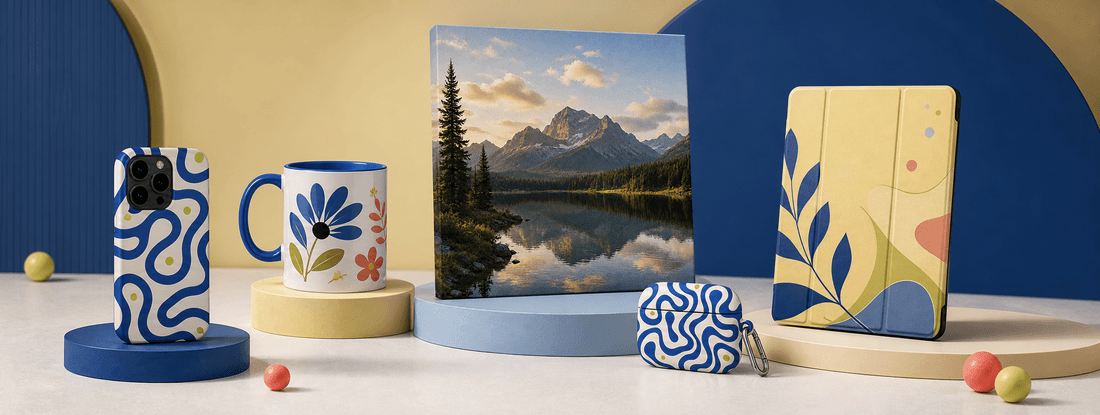
Phone cases remain one of the strongest POD products because they are personal, giftable, and easy to understand. Buyers often want a case that signals taste, identity, humor, lifestyle, fandom, or a personal memory.
Phone cases are also practical for focused stores. A seller can test multiple artwork angles without carrying inventory.
The fulfillment challenge is model eligibility. Sellers need to confirm which phone models, case styles, colors, and finishes are available before publishing a large catalog.
PODJST can support eligible phone case production where available, including UV printing and quality inspection before packing.
2. Tech Accessories
Tech accessories can work for creators, small brands, remote workers, students, and gift buyers. The category can include phone-related accessories and other everyday items that carry a design or brand identity.
The best tech-accessory offers are specific. "Minimal desk setup accessories for designers" is easier to position than "cool accessories."
Before selling, confirm product specs, artwork area, durability expectations, and route support.
3. Creator Merch
Creator merch works when the audience already has a reason to care. A TikTok creator, YouTuber, streamer, podcaster, newsletter writer, or community owner can turn inside jokes, slogans, characters, or recurring themes into products.
This does not mean every creator should launch a huge store. The best starting move is often a small drop with one or two products and a clear audience story.
For PODJST, creator content should stay careful around platform claims. Do not promise native TikTok Shop, YouTube, Etsy, or Shopify integrations unless the current connection method is confirmed.
4. Personalized Gifts
Personalized products can earn higher perceived value because the item feels made for one person. Names, dates, pet portraits, couple designs, family roles, and location-based designs can all work.
The tradeoff is operational complexity. Personalization needs clear input rules, proofing rules, artwork approval boundaries, and support handling.
If a seller cannot manage revisions, they should start with simpler personalization formats.
5. White Label Brand Products
White label POD can work for online brands that want customer-facing control without buying inventory upfront. The product needs to look like part of a brand, not a random marketplace upload.
Before selling, confirm which branding, packaging, inserts, labels, or packing options are actually supported. Options can vary by product, route, and fulfillment setup.
How To Pick The First Product To Test
Choose the product with the best mix of audience clarity and operational simplicity.
Ask:
- Can I name the buyer in one sentence?
- Can I create 10 design variations without changing the whole workflow?
- Can I explain production and delivery honestly?
- Can I price it with room for support?
- Can I inspect samples before scaling?
If the answer is no, the product may still be interesting, but it is not the best first test.
Next Step
Start with one product category, choose one audience, and confirm product eligibility, artwork requirements, route support, and margin before creating a larger POD catalog.
FAQ
Common questions
What are the best print-on-demand products in 2026?
Strong options include phone cases, tech accessories, creator merch, personalized gifts, and white label brand products. The best choice depends on audience, margin, production quality, and fulfillment reliability.
Are phone cases still good for print-on-demand?
Yes, when the seller targets a specific buyer and confirms eligible models, artwork specs, print quality, and supported routes before publishing.
Should beginners follow trending POD products?
Trends can inspire ideas, but beginners should avoid copying broad trends without a clear buyer. A smaller niche with clean execution is usually easier to test.
Can PODJST fulfill every product in every country?
No. Product and route eligibility should be confirmed before launch. PODJST can support eligible production through its USA, Canada, Germany, Spain, and China network where available.