Merch Ideas for Small Creators: Products, Themes, and Low-Risk Tests
Explore practical merch ideas for small creators, including phone cases, mugs, wall art, tech accessories, audience themes, and low-risk launch tests.
Direct Answer
The short version
The best merch ideas for small creators come from audience details that already have meaning: a recurring phrase, visual motif, character, routine, community name, or shared milestone. Start with one or two practical products such as phone cases, mugs, canvas wall art, or tech accessories rather than a large catalog. Print on demand can reduce upfront inventory risk, but the product still needs clear artwork, an acceptable price, a sample or production check, and realistic fulfillment expectations.What Should a Small Creator Sell First?
A first product should be easy for the audience to understand, easy to show in content, and simple enough to support. The ideal product is not always the most popular category. It is the product that best matches the creator's content and audience habits.
Use four filters:
- Recognition: Will followers understand the design without a long explanation?
- Use: Does the product fit something the audience already does?
- Presentation: Can you show it clearly in a post, video, email, or live stream?
- Fulfillment: Can the product, variant, and destination be supported reliably?
Start with a focused offer. A small creator does not need a department store.
Phone Case Merch Ideas
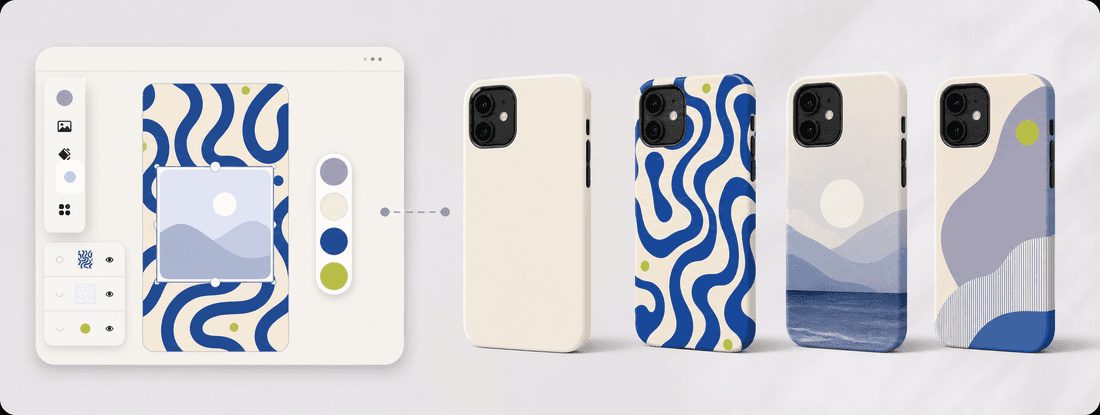
Phone cases work well for visual creators because the design is visible in everyday use and can be demonstrated quickly on camera. The catch is model compatibility: every listed phone model needs an eligible product and accurate artwork placement.
Ideas include:
- Signature pattern case: Turn a recognizable color palette, illustration style, or icon set into a repeat pattern.
- Community phrase case: Use a short phrase the audience already repeats, after checking rights and trademark risk.
- Seasonal mini-drop: Adapt one core design for a holiday, tour, launch, or community milestone.
- Personalized supporter case: Add a name, date, or member role through a clearly defined personalization workflow.
Phone cases are strongest when the design feels native to the creator, not when a logo is enlarged to fill the product.
Mug Merch Ideas
Mugs fit routines: morning streams, studio desks, reading clubs, podcasts, teaching content, and work-from-home communities. They are also easy to bundle with a message, ritual, or recurring series.
Ideas include:
- Episode or series mug: Use the visual identity of a recurring podcast, newsletter, or video format.
- Daily ritual mug: Pair a phrase with the moment followers associate with the creator, such as editing, journaling, gaming, or studying.
- Milestone mug: Mark an anniversary, season finale, member goal, or event date without turning it into a permanent catalog item.
Keep small text readable and check how the design wraps around the mug. A flat artwork preview does not show handle placement or curved-surface distortion.
Canvas Wall Art Ideas
Wall art gives illustrators, photographers, educators, and design-led creators more room than a small accessory. It can also support a higher perceived value when the artwork has a clear place in the buyer's home or workspace.
Ideas include:
- Most-requested artwork: Start with an image followers have already asked to display or purchase.
- Collection of three: Build a consistent small series rather than unrelated prints.
- Reference or learning chart: Turn original educational content into a useful visual, provided the design is clear at the final size.
- Community map or timeline: Create an original visual that records a shared journey, event, or project.
Confirm the available aspect ratios and print area before adapting the design. Cropping a strong illustration poorly can make the product feel unfinished.
Tech Accessory Merch Ideas
Tech accessories can fit creator audiences that spend time on phones, tablets, desks, gaming setups, or travel. The product should solve a use case, not exist only because it can carry a design.
Ideas include:
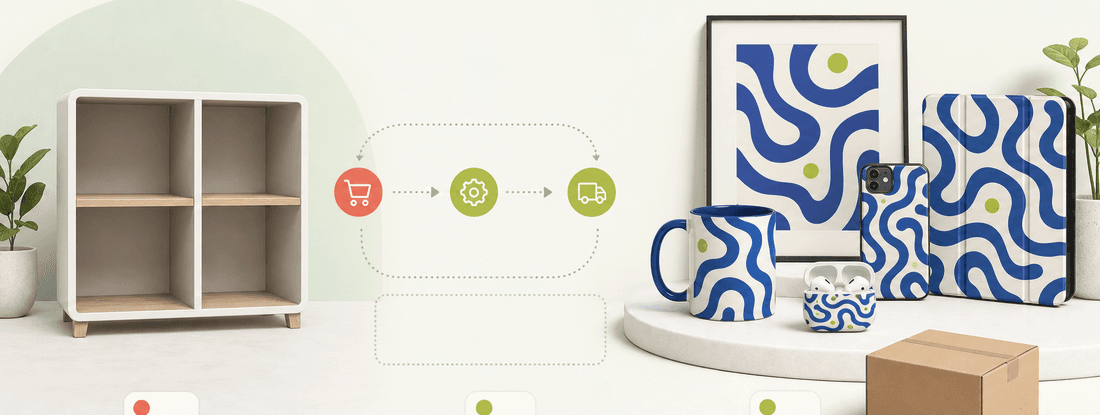
- Matching device set: Apply one pattern across an eligible phone case and tech case.
- Desk identity accessory: Use a restrained design that works in a study, streaming, or work setup.
- Event-only tech case: Create a limited design for a conference, workshop, meetup, or creator campaign.
- Member-level design: Use color or a small symbol to distinguish community groups without creating too many variants.
Check device compatibility and product availability before promoting a complete matching set.
Themes That Work Better Than a Generic Logo
A product becomes easier to market when it carries a story the audience recognizes.
Useful theme sources include:
- A phrase from comments or live chat
- A creator's visual system or recurring color palette
- An original character
- A community nickname
- A recurring challenge or content series
- A shared goal or milestone
- A behind-the-scenes object or routine
- A limited seasonal interpretation of the main brand
The theme should still be original or properly licensed. Familiarity is useful; copying protected characters, brands, artwork, or slogans is not.
Build a Small First Drop
A practical first drop can contain:
- One core design
- One main product
- One optional companion product
- Two color directions at most
- A clear launch and closing date if the drop is limited
- One product page with accurate price and fulfillment information
For example, an illustrator might launch one phone case and one canvas product using the same artwork. A podcaster might use one mug and one tech accessory tied to a recurring phrase.
This structure keeps the story coherent and the support workload manageable.
Match the Idea to the Audience
Different creator audiences buy for different reasons.
Content creators
Choose products that connect to repeated content formats, jokes, or visual identity. See PODJST for content creators.
Artists and designers
Lead with artwork quality and product fit. Use wall art, cases, mugs, or accessories that preserve the composition. See PODJST for artists and designers.
Communities and events
Use shared identity, milestones, or participation. Keep ordering instructions and delivery expectations clear. See custom merch workflows.
First-time sellers
Use one design and one product to learn the process. POD University provides a structured starting point.
How to Test These Merch Ideas
Do not choose the first drop from personal preference alone. Look for audience language, compare two design directions, publish a real price, and measure actions that require commitment.
A basic test:
- Collect recurring phrases, themes, and product requests.
- Choose one audience use case.
- Create two design concepts.
- Preview them on one or two eligible products.
- Ask a specific choice question.
- Publish a waitlist, preorder, or POD product page.
- Review clicks, signups, orders, questions, and objections.
Read How to Test Merch Ideas Before You Launch for a complete validation process.
What Small Creators Should Avoid
Avoid turning a first experiment into an oversized catalog. More products do not solve a weak theme.
Common mistakes include:
- Launching too many unrelated designs
- Listing device models or variants that are not confirmed
- Choosing a product only because it is cheap
- Using tiny text or artwork that does not fit the print area
- Treating poll votes as guaranteed demand
- Ignoring product, shipping, platform, replacement, and support costs
- Promising delivery before confirming the route
- Using copyrighted or trademarked material without permission
POD lowers inventory exposure. It does not remove product or customer-experience decisions.
Next Step
Choose one audience signal that already appears in your content, match it to one or two eligible products, and test the offer before building a larger collection.
FAQ
Common questions
What merch should a small creator sell first?
Start with one product that fits a recognizable audience theme. Phone cases, mugs, canvas wall art, and tech accessories can be practical choices when the design and fulfillment route are confirmed.
Do I need a large audience to launch merch?
No fixed audience size guarantees or prevents a launch. A smaller, engaged audience can test a focused idea, but the decision should be based on real interest, price acceptance, and purchase behavior.
How many products should be in a first drop?
One main product and one optional companion product are enough for an initial test. This keeps the message and fulfillment work clear.
Can I sell creator merch without inventory?
Print on demand can produce eligible products after orders are placed, reducing the need to buy bulk inventory upfront. You still need artwork preparation, pricing, product checks, and customer support.
Which creator merch product has the best margin?
There is no universal answer. Margin depends on product cost, printing, shipping, platform fees, discounts, replacements, price, and the value the audience sees in the product.
Can PODJST fulfill every product worldwide?
No blanket claim should be made. Product eligibility, production route, destination, capacity, and carrier support vary. Confirm the current product and route before launch.